
“Quartz and granite are both durable, attractive countertop options, but they offer different advantages. Quartz is low maintenance, stain-resistant, and ideal for modern kitchens, while granite provides natural beauty, exceptional heat resistance, and a unique appearance. Choosing the right material depends on your design preferences, lifestyle, and willingness to handle routine maintenance.”
A kitchen remodel brings a long list of decisions, but few matter as much as the countertop material. It sets the tone for the entire room, takes the most daily wear, and plays a big role in how the space feels years down the line. Two materials consistently top the shortlist: quartz and granite. Both are durable, attractive, and widely used, but they get there in very different ways.
Beyond appearance, your countertop choice affects daily maintenance, long-term durability, and even your home’s resale value. While both materials can transform the look of a kitchen, each offers unique strengths that suit different lifestyles and design preferences. Understanding how they compare in terms of performance, maintenance, and overall value can help you make a confident investment. This guide breaks down their key differences so you can choose the surface that best fits your kitchen and your lifestyle.
What Is Quartz?
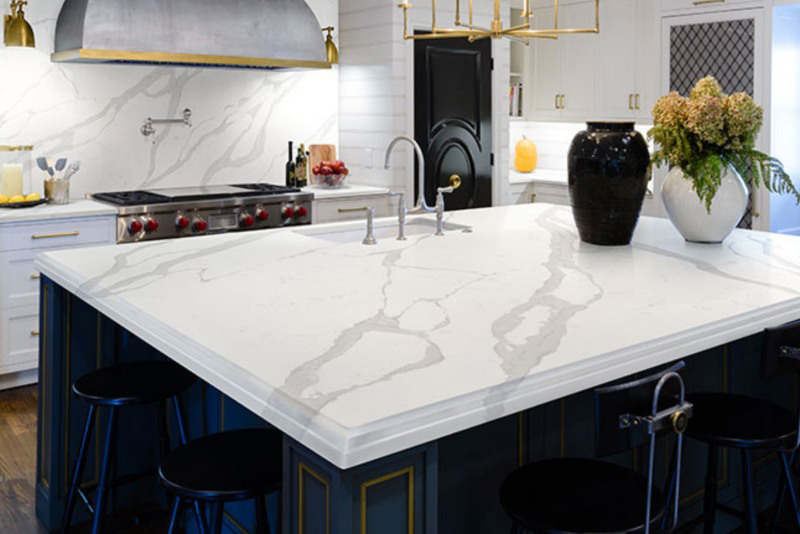
Quartz countertops combine natural beauty with modern engineering. Manufacturers blend crushed natural quartz crystals with resins and pigments to create strong, durable slabs. This process produces a consistent pattern and color, giving homeowners a polished and predictable finish. If you want a stylish countertop that looks beautiful every day, quartz offers a practical and dependable choice.
Unlike natural stone, quartz provides a more uniform appearance from one slab to another. Many designs closely resemble marble or granite while offering easier maintenance. Homeowners who value convenience, durability, and modern style often choose quartz because it delivers lasting performance without demanding extra care.
Modern and consistent appearance: Every slab offers a clean, uniform look that creates a sleek and elegant kitchen design.
Wide variety of colors and patterns: Quartz comes in many shades and designs, making it easy to match both classic and contemporary kitchens.
Low maintenance: Quartz does not require sealing. Simple daily cleaning keeps the surface looking fresh and beautiful.
Excellent stain resistance: Its non-porous surface resists coffee, wine, oil, and other common household spills with ease.
What Is Granite?
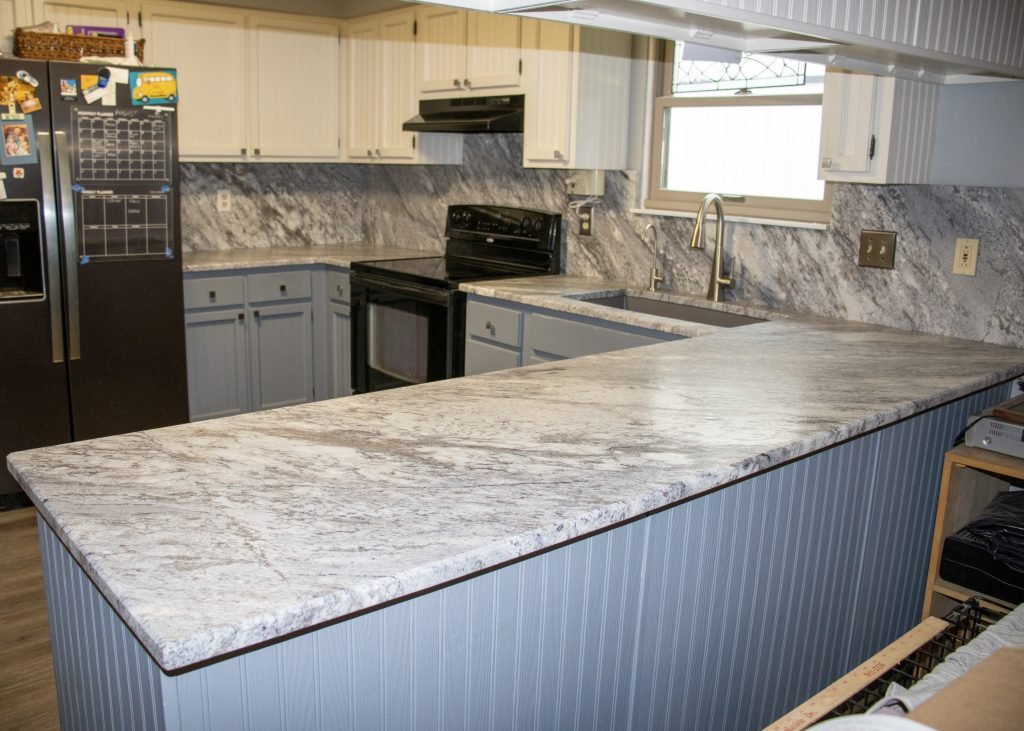
Granite is a natural stone that comes directly from the earth. Skilled workers cut it into slabs and prepare it for installation. Every slab has its own unique veining, rich colors, and natural mineral patterns, so no two countertops ever look the same. If you want a kitchen with warmth, character, and lasting beauty, granite offers a timeless choice that engineered materials cannot fully match.
Beyond its appearance, granite delivers exceptional strength and dependable performance. It stands up to daily cooking, handles heat with ease, and adds a sense of luxury to almost any kitchen style. With regular sealing and proper care, a granite countertop can remain beautiful and functional for decades.
Timeless appeal: Its natural elegance complements both classic and modern kitchen designs, adding long-term value to your home.
Unique natural patterns: Every slab features its own colors, veining, and mineral details, creating a truly one-of-a-kind countertop.
Excellent heat resistance: Granite handles high temperatures well, making it a reliable choice for busy home cooks.
Outstanding durability: With proper maintenance, granite resists everyday wear and provides years of dependable performance.
Quartz vs. Granite: Key Differences
Appearance
Quartz offers a more uniform and controlled look. It can mimic the appearance of marble or natural stone but with cleaner, more predictable lines, which makes it a strong fit for a sleek, modern kitchen. Granite, on the other hand, brings natural movement and variation. Each slab functions almost like a piece of art, which is part of the appeal for homeowners who want their kitchen island to be a visual centerpiece.
Durability
Quartz is highly durable and resists scratching and chipping well. It is not quite as heat-resistant as granite, but it holds up better against staining. Granite is also strong and handles heat exceptionally well, allowing hot pans to be set down with minimal risk, though it does need periodic sealing to guard against stains.
Maintenance
Quartz is close to maintenance-free. There is no sealing required, and routine cleaning is usually enough to keep it looking new. Granite needs to be sealed roughly once a year. Skipping this step leaves the surface more vulnerable to stains from things like wine, oil, or coffee.
Which One Fits Your Lifestyle?
The best countertop is the one that fits the way you live. A beautiful surface matters, but so does everyday performance. Think about how often you cook, how much maintenance you can handle, and the style you want your kitchen to reflect. Your answers will make the decision much easier.
Both quartz and granite bring lasting value to a kitchen remodel. Each material offers unique strengths that suit different needs. Choose the option that matches your lifestyle, not just the one that looks impressive in a showroom.
Choose granite if you love the natural beauty of real stone and want every countertop to feel unique. It rewards a little routine care with timeless character, impressive heat resistance, and a distinctive look that never goes out of style.
Choose quartz if you want a countertop that is easy to maintain and simple to clean. Its modern, consistent appearance suits contemporary kitchens, and its stain-resistant surface makes everyday life easier for busy families.
Quartz and Granite in High-End Kitchens
In higher-end remodels, the decision often comes down to the overall design impact rather than practicality alone. Quartz tends to suit seamless, clean-lined spaces such as minimalist kitchens, spa-inspired bathrooms, and sleek entertaining bars, since its consistency makes it easier to design large continuous surfaces without visible pattern breaks.
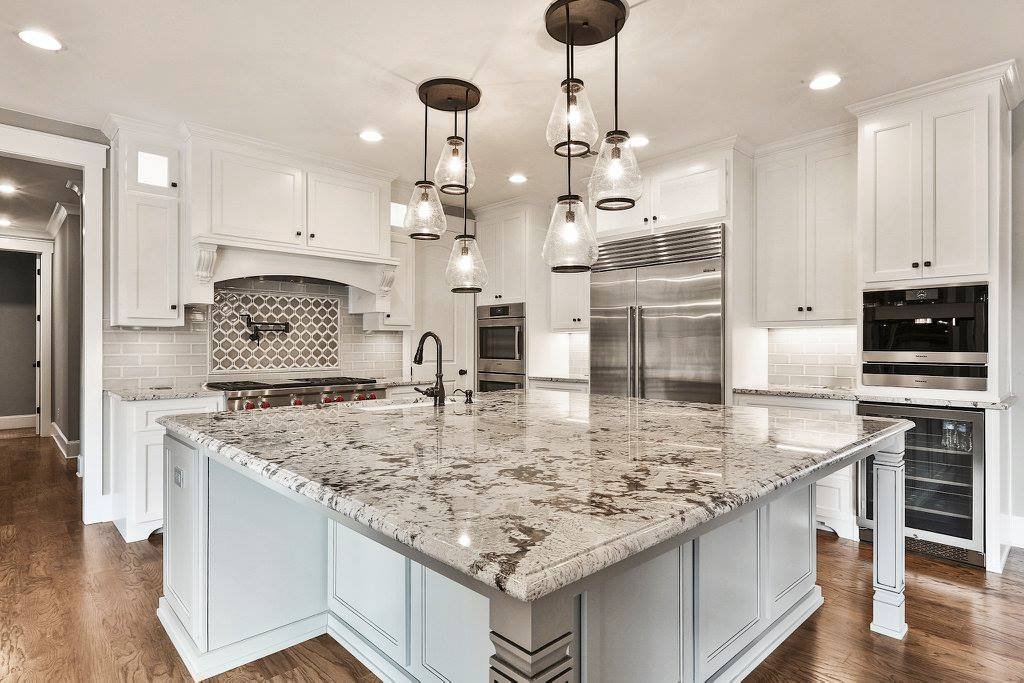
Granite, by contrast, tends to anchor statement kitchens, dramatic waterfall islands, and bold vanity designs, where each slab becomes a conversation piece in its own right. Both materials can elevate a home’s overall design and appeal to buyers, but the character they bring is different: granite leans organic and dramatic, while quartz leans polished and controlled.
Long-Term Value and Resale Considerations
Both quartz and granite are considered smart investments for a kitchen remodel, as both add durability and resale appeal. The difference tends to show up in who each material appeals to. Buyers who want beauty without ongoing maintenance often lean toward quartz, while buyers who value natural, authentic materials tend to gravitate toward granite. In many newer or higher-end markets, quartz has an edge simply because it pairs a premium look with everyday convenience.
Heat, Stains, and Everyday Wear
Your kitchen countertop faces constant use every day. From hot pots and sharp knives to accidental spills and busy family meals, it needs to perform without losing its beauty. Choosing a material that matches your daily routine can save you time, reduce maintenance, and keep your kitchen looking its best for years. Quartz and granite both offer outstanding durability, but they excel in different areas. Understanding how each material handles heat, stains, and everyday wear will help you choose a countertop that supports your lifestyle and gives you lasting confidence in your investment.
Everyday wear: Both quartz and granite stand up well to daily kitchen activities, including meal preparation, spills, and frequent cleaning. Quartz offers excellent resistance to scratches and minor chips, while granite provides exceptional strength and durability. With proper care, either material can maintain its beauty and performance for many years, even in a high-traffic kitchen.
Heat resistance: Granite naturally withstands high temperatures, making it an excellent choice for people who cook frequently. While it can handle hot cookware better than quartz, using trivets or heat pads still helps protect the surface and extend its lifespan. Quartz can tolerate moderate heat, but direct contact with very hot pots or pans may damage the resin that binds the material.
Stain resistance: Quartz features a non-porous surface that naturally resists coffee, wine, oil, juice, and other common kitchen spills. Most messes wipe away with little effort, making quartz a great option for busy households. Granite also performs well, but regular sealing helps protect it from moisture and stubborn stains over time.
Making the Final Decision
Your final decision depends on how you want your kitchen to look and perform for years to come. If you value a sleek, stone-inspired surface that requires minimal maintenance, quartz offers a practical and stylish solution. If you prefer the natural beauty of authentic stone and don’t mind occasional sealing, granite delivers unmatched character and timeless appeal.
Visit a showroom and compare samples in person before making your choice. Photos often fail to capture the true scale, texture, and color variations of each material. Viewing the slabs under different lighting conditions and discussing your options with a stone supplier will help you choose a countertop that complements your kitchen and meets your long-term needs.
Final Thoughts
Quartz and granite both hold up as excellent choices for a kitchen remodel, and neither is objectively better than the other; they simply serve different priorities. Quartz offers consistency, low maintenance, and a modern aesthetic that suits busy households. Granite offers natural beauty, strong heat resistance, and a one-of-a-kind character that many homeowners find irreplaceable. The best decision comes from being honest about your lifestyle, your design goals, and how much maintenance you’re willing to take on. Whichever material you choose, both are proven, long-lasting options that can genuinely transform a kitchen.
Frequently Asked Questions
Q1. Which is more expensive, quartz or granite?
A: Costs can be similar depending on the color, pattern, and grade selected. Granite pricing varies more widely based on the rarity of the stone, while quartz pricing tends to be more consistent across styles.
Q2. Do quartz countertops last longer than granite?
A: Both materials can last for decades with proper care. Quartz is highly stain-resistant and low maintenance, while granite offers strong heat resistance and long-term durability when sealed correctly and consistently.
Q3. Which countertop material is easier to maintain?
A: Quartz is generally easier to maintain, since it does not require sealing and naturally resists stains. Granite needs to be sealed roughly once a year to maintain its appearance and performance.
Q4. Can you put hot pans directly on quartz or granite?
A: Granite can typically handle hot pans within reasonable heat limits. Quartz is less heat-resistant, so it’s best to use a trivet or hot pad to protect the surface from direct heat.
Q5. Which countertop is better for resale value?
A: Both add meaningful value to a home. Granite tends to appeal to buyers who love natural stone, while quartz attracts buyers looking for a modern look paired with low maintenance.
Q6. Do quartz countertops look like natural stone?
A: Yes. Many quartz designs closely mimic the look of marble and granite, offering realistic veining and depth while maintaining greater consistency and durability.