
“The right lighting can completely transform your kitchen from a simple cooking area into a warm, inviting space where memories are created. A thoughtful combination of ambient, task, and accent lighting improves functionality while enhancing the beauty of your design. From elegant pendant lights to energy-efficient LED solutions, the best lighting choices bring comfort, style, and lasting value to your kitchen remodel.”
The kitchen is more than a place to prepare meals; it’s where conversations begin, families gather, and everyday memories are made. Whether you’re enjoying a quiet morning coffee or hosting a lively dinner with friends, the right lighting can completely transform how your kitchen looks and feels. A well-planned lighting design doesn’t just brighten a room; it creates warmth, improves functionality, and highlights the beauty of your space.
Many homeowners spend months selecting cabinets, countertops, and flooring but overlook one of the most important design elements: lighting. The truth is, even the most expensive kitchen remodel can feel incomplete if the lighting isn’t carefully planned. On the other hand, thoughtful lighting can make a modest renovation feel luxurious, welcoming, and timeless.
In this guide, you’ll discover the best kitchen lighting ideas that combine style with practicality. From pendant lights and under-cabinet lighting to recessed fixtures and layered lighting techniques, we’ll explore everything you need to create a kitchen that is both beautiful and functional.
Why Kitchen Lighting Matters
Lighting does far more than illuminate a room. It influences the atmosphere, enhances safety, and improves the overall experience of using your kitchen.
A well-lit kitchen helps you:
- Prepare meals safely
- Reduce shadows on work surfaces
- Highlight architectural features
- Make the room appear larger
- Create different moods throughout the day
- Increase the overall value of your home
Whether your kitchen is large or compact, the right lighting plan can dramatically improve both aesthetics and usability.
Start with Layered Lighting
One of the biggest mistakes homeowners make is relying on a single ceiling fixture to light the entire room. Professional designers instead use a layered lighting approach that combines different types of illumination.
1. Ambient Lighting
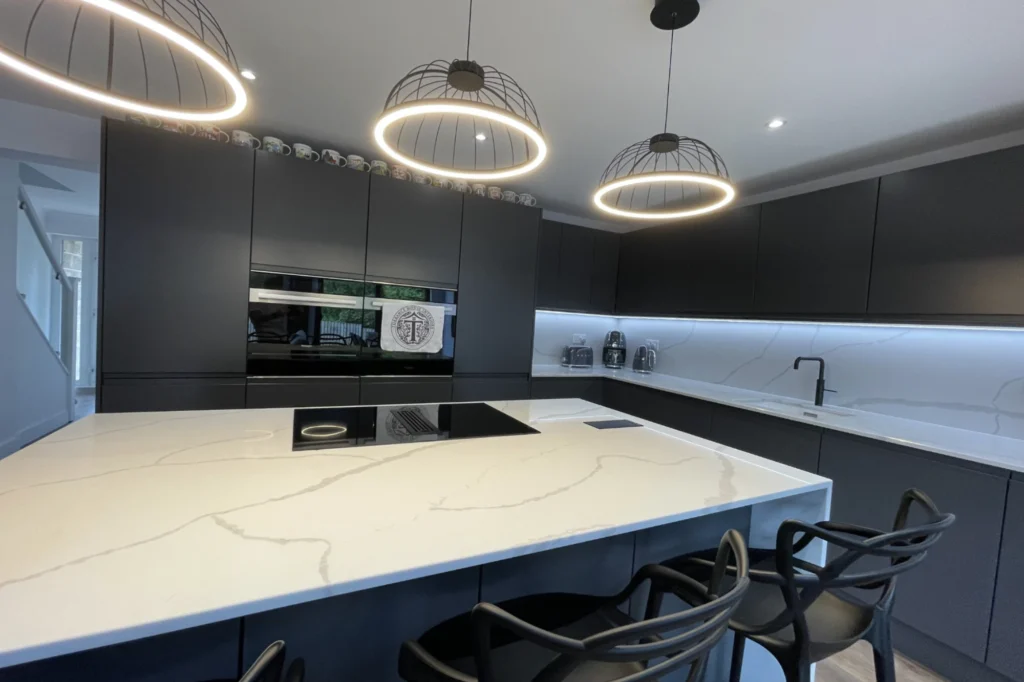
Ambient lighting provides the primary source of light throughout the kitchen. It ensures the entire room is evenly illuminated.
Popular options include:
- Recessed ceiling lights
- Flush-mount fixtures
- Semi-flush ceiling lights
- LED ceiling panels
Good ambient lighting creates a comfortable foundation for every other layer of lighting.
2. Task Lighting
Task lighting focuses directly on work areas where precision is important.
These areas include:
- Countertops
- Kitchen island
- Sink
- Stove
- Pantry
Without adequate task lighting, shadows can make food preparation more difficult and less safe.
Popular task lighting options include:
- Under cabinet lighting
- Pendant lights
- Adjustable spotlights
- LED strips
3. Accent Lighting
Accent lighting adds personality and elegance.
Rather than improving visibility, it highlights decorative features such as:
- Glass cabinets
- Open shelving
- Decorative backsplashes
- Artwork
- Display niches
Accent lighting creates depth and gives the kitchen a warm, inviting atmosphere during the evening.
Kitchen Island Lighting Ideas
The kitchen island often serves multiple purposes. It’s a workspace, dining area, homework station, and gathering place all in one. Choosing the right kitchen island lighting ensures this central feature becomes both practical and visually stunning.
Pendant Lights
Pendant lighting remains one of the most popular choices.
Benefits include:
- Excellent task lighting
- Stylish focal point
- Wide variety of finishes
- Adjustable hanging height
For larger islands, two or three pendants spaced evenly across the surface create balanced illumination.
Linear Pendant Fixtures
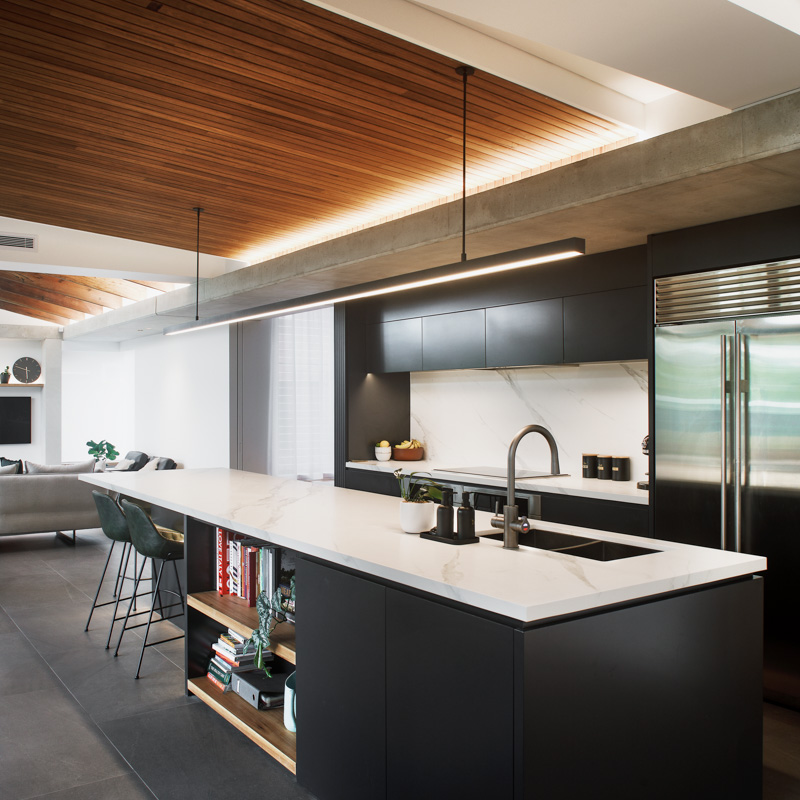
Modern kitchens often feature sleek linear fixtures instead of multiple individual pendants.
These fixtures:
- Provide consistent lighting
- Create clean visual lines
- Work beautifully in contemporary kitchens
- Reduce visual clutter
Choosing the Right Height
One of the most common mistakes during a kitchen remodel lighting project is hanging pendants too high or too low.
A general guideline is:
- 30–36 inches above the countertop
This height provides excellent visibility without blocking sightlines across the room.
Under Cabinet Lighting: The Upgrade You’ll Appreciate Every Day
Few improvements make as much of an impact each day as under-cabinet lighting. Countertops often fall into shadows created by upper cabinets. Installing LED lighting beneath cabinets solves this problem immediately.
Benefits include:
- Better food preparation
- Improved visibility
- Elegant nighttime ambiance
- Energy efficiency
- Increased home value
LED Strip Lights
Continuous LED strips have become the preferred solution because they create smooth, even illumination without visible dark spots.
They’re ideal for:
- Food preparation
- Reading recipes
- Highlighting countertops
- Evening mood lighting
Warm white LEDs between 2700K and 3000K generally create the most welcoming atmosphere.
Hardwired vs Plug-In Systems
Hardwired lighting provides:
- Cleaner appearance
- Better reliability
- Wall-switch operation
- Longer lifespan
Plug-in systems may work well for smaller updates but often leave visible cords that affect the kitchen’s appearance.
Recessed Kitchen Lighting for a Clean Look
Recessed kitchen lighting offers one of the cleanest and most versatile lighting solutions available. Installed directly into the ceiling, recessed fixtures provide broad illumination without drawing attention to themselves.
Benefits include:
- Minimalist appearance
- Excellent room coverage
- Flexible placement
- Compatibility with almost every design style
Proper Placement Matters
Even high-quality fixtures won’t perform well if they’re poorly positioned.
General recommendations include:
- Even spacing throughout the room
- Placement above major work areas
- Additional fixtures near the sink
- Extra lighting around cooking zones
Proper planning eliminates harsh shadows while maintaining visual balance.
Pendant Lighting Adds Personality
While recessed lights provide overall illumination, pendant lighting for kitchen spaces introduces character.
Pendant lights come in countless styles:
- Glass globes
- Matte black finishes
- Brass accents
- Industrial metal
- Farmhouse-inspired designs
- Contemporary geometric fixtures
Selecting fixtures that complement cabinet hardware and finishes creates a cohesive overall design.
Don’t Forget Kitchen Ceiling Lighting
Many homeowners think only about pendant lights while overlooking kitchen ceiling lighting. Ceiling fixtures establish the foundation of the entire lighting plan.
Excellent options include:
- Flush mounts
- Semi-flush fixtures
- Decorative chandeliers
- Modern LED ceiling fixtures
The right ceiling lighting ensures every corner of the kitchen remains bright and welcoming.
LED Kitchen Lighting: Beauty Meets Efficiency
Modern LED kitchen lighting has transformed kitchen design.
Compared to older bulbs, LEDs offer:
- Lower energy consumption
- Longer lifespan
- Minimal maintenance
- Excellent brightness
- Multiple color temperatures
They’re available in nearly every fixture type, making them ideal for complete kitchen remodels. Warm white lighting creates a cozy atmosphere, while neutral white provides a crisp, clean appearance for food preparation.
Choosing the Perfect Kitchen Light Fixtures
Selecting attractive kitchen light fixtures isn’t simply about following trends.
Consider:
- Ceiling height
- Kitchen size
- Cabinet color
- Countertop material
- Overall design style
- Natural light
A cohesive lighting plan ties every element together, creating a kitchen that feels balanced rather than overcrowded.
Modern Kitchen Lighting Trends
Today’s modern kitchen lighting emphasizes simplicity and functionality.
Popular trends include:
- Matte black fixtures
- Mixed metal finishes
- Slim LED pendants
- Minimalist chandeliers
- Concealed LED strips
- Smart lighting systems
- Dimmable lighting controls
These options create sophisticated spaces without overwhelming the room.
Lighting for Small Kitchens
Small kitchens require thoughtful planning. Rather than adding numerous decorative fixtures, focus on maximizing brightness while maintaining an open feeling.
Helpful strategies include:
- Light-colored fixtures
- Recessed lighting
- Under-cabinet LEDs
- Reflective surfaces
- Glass pendants
- Multiple light sources
Even compact kitchens can feel spacious when lighting is layered correctly.
Common Kitchen Lighting Mistakes to Avoid
Even with beautiful fixtures and high-quality materials, poor lighting choices can affect how your kitchen feels and functions. Many homeowners make lighting decisions based only on appearance and forget about everyday practicality.
Here are some common mistakes to avoid during a kitchen remodel:
Using Only One Type of Lighting
A single ceiling fixture rarely provides enough light for a modern kitchen.
Without layered lighting, you may experience:
- Dark countertops
- Shadows near the sink
- Poor visibility while cooking
- A flat and uninviting atmosphere
Combining ambient, task, and accent lighting creates a balanced kitchen that feels comfortable at any time of day.
Choosing Style Over Function
A beautiful fixture can become frustrating if it does not provide enough light.
For example, a decorative pendant above an island may look stunning but fail to properly illuminate your workspace. The best lighting choices combine both design and purpose. Every fixture should contribute to the overall comfort of your kitchen.
Ignoring Natural Light
Natural light is one of the greatest assets in any kitchen. Large windows, glass doors, and open layouts can reduce the need for artificial lighting during the day. However, your lighting plan should still support your kitchen when the sun goes down.
Consider how your artificial lighting works with:
- Window placement
- Room orientation
- Wall colors
- Reflective surfaces
A thoughtful design creates a kitchen that feels bright and welcoming from morning until night.
Choosing the Right Lighting Color Temperature
The color temperature of your bulbs has a major impact on the mood of your kitchen. Lighting is measured in Kelvin (K), and different temperatures create different feelings.
Warm White (2700K–3000K)
Warm lighting creates:
- A cozy atmosphere
- A comfortable family environment
- A welcoming evening glow
This option works especially well for traditional, farmhouse, and transitional kitchens.
Neutral White (3500K–4000K)
Neutral lighting provides:
- Clear visibility
- A clean appearance
- Better color accuracy
It is often preferred for modern kitchens where homeowners want a fresh and balanced look.
Cool White (5000K and Above)
Cool lighting creates a brighter, sharper appearance but can sometimes feel too harsh for residential kitchens. Most homeowners prefer warmer tones because the kitchen is not only a workspace but also a place for connection and relaxation.
Smart Lighting Ideas for Modern Kitchens
Technology has changed the way homeowners experience their kitchens. Smart lighting systems allow you to control brightness, color, and scheduling directly from your phone or voice assistant.
Benefits include:
- Adjustable brightness throughout the day
- Energy savings
- Automated schedules
- Improved convenience
- Personalized lighting scenes
Imagine preparing breakfast under bright task lighting and then creating a softer atmosphere for an evening dinner with one simple adjustment. Smart lighting brings flexibility and comfort into everyday living.
Lighting Ideas for Different Kitchen Styles
Every kitchen has its own personality, and lighting should support the overall design.
Traditional Kitchens
Traditional kitchens often benefit from:
- Warm brass fixtures
- Classic chandeliers
- Glass pendant lights
- Soft under-cabinet illumination
These choices create a timeless and inviting atmosphere.
Modern Kitchens
Modern kitchens usually pair well with:
- Minimalist LED fixtures
- Matte black finishes
- Linear pendant lights
- Hidden accent lighting
The focus is often on clean lines and functional beauty.
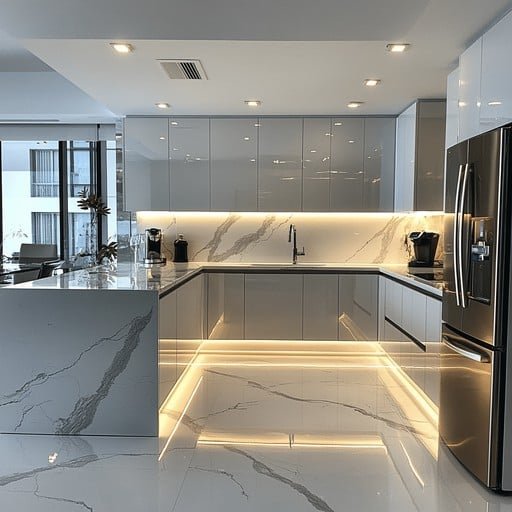
Farmhouse Kitchens
Farmhouse kitchens look beautiful with:
- Metal pendant lights
- Rustic finishes
- Wooden accents
- Warm lighting tones
The goal is to create a space that feels comfortable, natural, and lived-in.
How Lighting Works With Other Kitchen Design Elements
Lighting should never be selected separately from the rest of your kitchen design.
The best results happen when lighting works together with:
- Cabinet colors
- Countertops
- Flooring
- Hardware
- Backsplash materials
For example, dark cabinets may require additional lighting to prevent the space from feeling heavy, while lighter cabinets can reflect and spread illumination more effectively. If you’re planning a full renovation, reviewing ideas for kitchen cabinet remodel ideas can help you understand how cabinet choices influence your lighting design. Similarly, homeowners working with limited space can explore small kitchen remodel ideas to learn how strategic lighting can make compact kitchens feel larger.
Creating a Comfortable Open Kitchen Design
Open kitchens have become increasingly popular because they encourage connection between cooking, dining, and living areas. However, open spaces require careful lighting planning.
A successful open kitchen design often includes:
- Pendant lighting over the island
- Ambient ceiling lighting
- Accent lighting near cabinets
- Separate dimmer controls for different areas
This allows each zone to have its own purpose while still feeling connected.
Budget-Friendly Kitchen Lighting Improvements
You don’t always need a complete renovation to improve your kitchen lighting. Small upgrades can make a noticeable difference.
Affordable improvements include:
- Adding under-cabinet LED strips
- Replacing outdated fixtures
- Installing dimmer switches
- Updating pendant lights
- Changing bulb temperatures
Even simple changes can completely transform the mood and functionality of your kitchen.
Planning Lighting During a Kitchen Remodel
Lighting should be planned early, not as a last-minute decision.
During the design process, consider:
- Electrical locations
- Cabinet layout
- Appliance placement
- Work zones
- Ceiling height
- Natural light sources
A well-planned lighting design prevents expensive changes later and ensures every area functions properly. For homeowners beginning their renovation journey, a complete kitchen remodeling guide can help organize important decisions from layout planning to final finishes.
Final Thoughts
Cabinets, countertops, or appliances alone do not create a beautifully designed kitchen. Lighting is the element that brings everything together and creates the feeling you experience every time you walk into the room. The right lighting can turn a simple kitchen into a warm gathering place, a productive workspace, and a comfortable corner of your home where countless memories are created.
From practical solutions like under-cabinet lighting and recessed fixtures to stylish additions like pendant lights and modern ceiling fixtures, every choice contributes to how your kitchen looks and feels. A thoughtful lighting plan improves functionality, enhances design, and adds lasting value to your home. Whether you are planning a complete renovation or making small improvements, investing in the right lighting will help you create a kitchen that feels beautiful, welcoming, and truly yours. Because at the end of the day, the best kitchen is not just one that looks impressive; it is one where people love to gather, share moments, and feel at home.
Frequently Asked Questions
1. How many types of lighting should a kitchen have?
A well-designed kitchen usually includes three layers: ambient lighting, task lighting, and accent lighting. Combining these layers creates a space that is both practical and visually appealing.
2. What is the best lighting for a kitchen island?
Pendant lights are one of the most popular choices for kitchen islands because they provide focused lighting while adding style. The size and number of pendants depend on the island’s length and kitchen layout.
3. Is LED lighting a good choice for kitchens?
Yes. LED lighting is energy-efficient, long-lasting, and available in many styles. It works well for ceiling fixtures, under-cabinet lighting, and accent lighting.
4. How high should pendant lights hang above a kitchen island?
Most pendant lights should hang approximately 30 to 36 inches above the countertop surface. The exact height may vary depending on ceiling height and fixture size.
5. Should kitchen lighting be warm or cool?
Many homeowners prefer warm white lighting because it creates a comfortable and inviting environment. Neutral white can also work well for homeowners who prefer a cleaner, brighter appearance.
6. Can lighting make a small kitchen look bigger?
Yes. Proper lighting can make a small kitchen feel more open by reducing shadows and creating better visual balance. Under-cabinet lighting, reflective surfaces, and well-placed ceiling lights can improve the sense of space.
7. Should all kitchen lights match?
Not necessarily. Different fixtures can complement each other without being identical. The key is maintaining a consistent design style and finish throughout the kitchen.