
“Vinyl, fiber cement, and wood siding can all protect your home for decades, but their longevity depends on climate, installation, and maintenance. Fiber cement generally offers the longest typical lifespan, while vinyl stands out for low maintenance and wood offers timeless natural beauty. The best siding is the one that fits your home’s needs, budget, environment, and long-term maintenance commitment.”
Key Takeaways
- Fiber cement generally offers the longest lifespan, potentially lasting 30 to 50 years with proper care.
- Vinyl is a low-maintenance choice, offering reliable performance for around 20 to 40 years.
- Wood siding provides timeless beauty, but it needs more frequent maintenance to prevent moisture damage, rot, and pests.
- Proper installation is essential because poor flashing, drainage, or fastening can shorten any siding’s lifespan.
- Moisture management matters greatly, especially for wood siding, where prolonged exposure can lead to serious deterioration.
- Regular inspections and timely repairs can extend siding longevity and prevent small issues from becoming costly problems.
- The best siding depends on your home and lifestyle, including your climate, maintenance preferences, budget, appearance goals, and long-term plans.
Choosing siding for your home is about more than appearance. The right siding protects your walls from rain, wind, sunlight, pests, and changing temperatures while helping your home maintain its beauty and value for years. When homeowners compare siding materials, one question often matters most: Which siding lasts the longest?
Vinyl, fiber cement, and wood siding each have different strengths, maintenance requirements, vulnerabilities, and expected lifespans. However, while one material may offer excellent durability with minimal upkeep, another may provide a natural appearance and the ability to repair individual sections. At the same time, siding longevity depends on more than the material itself. In addition, installation quality, climate, moisture exposure, maintenance, ventilation, and regular inspections can all influence how long siding remains attractive and functional. Therefore, choosing the right siding material and maintaining it properly can make a meaningful difference in its long-term performance.
In this guide, we’ll compare vinyl, fiber cement, and wood siding based on lifespan, durability, maintenance, weather resistance, common problems, and long-term value. Understanding these differences can help you make a confident decision for your home.
Lifespan Comparison: Vinyl vs. Fiber Cement vs. Wood
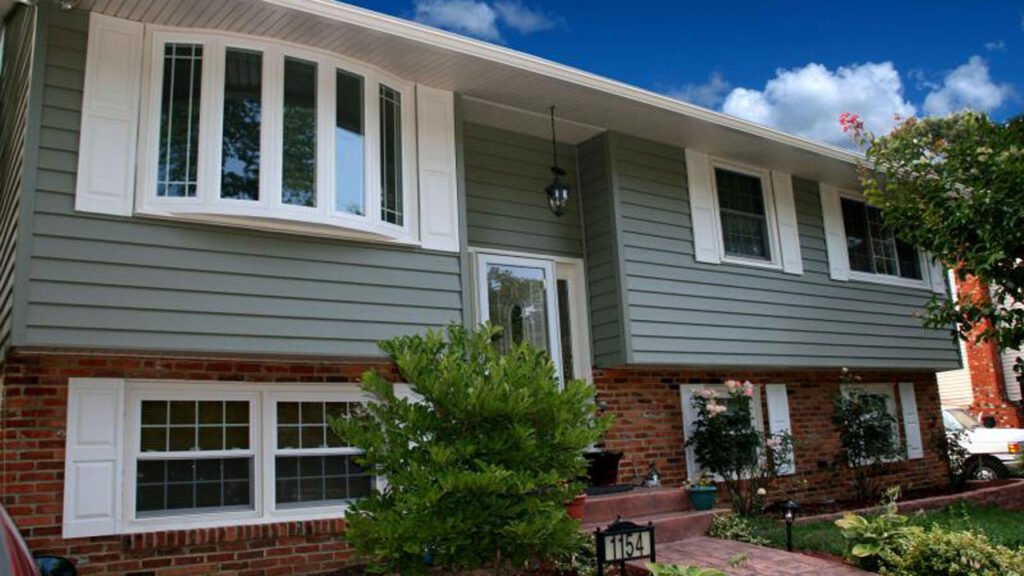
Each siding material has a different expected service life. However, lifespan estimates are not guarantees. Proper installation, environmental conditions, and maintenance can move the actual lifespan higher or lower.
| Siding Material | Typical Lifespan | Maintenance Level | Common Concerns |
| Vinyl | 20-40 years | Low | Impact, heat, fading, loose panels |
| Fiber Cement | 30-50 years | Moderate | Moisture at cut edges, caulk failure, paint wear |
| Wood | 25-40 years | Moderate to High | Rot, pests, moisture, cracking, paint deterioration |
These ranges provide a general comparison rather than a guarantee. However, a well-maintained siding system that is installed correctly can last considerably longer than one exposed to persistent moisture, poor drainage, or inadequate installation. In addition, the climate plays an important role in determining siding longevity. For example, harsh sunlight can gradually affect certain finishes, while frequent rain and freeze-thaw cycles can create additional stress. As a result, understanding your local conditions is just as important as choosing the right siding material. Ultimately, proper installation, regular maintenance, and awareness of environmental conditions can help your siding remain attractive, durable, and functional for many years.
What Determines How Long Siding Lasts?
Even the most durable siding can experience premature deterioration when important installation and maintenance details are overlooked.
Installation Quality
Proper installation creates the foundation for long-term siding performance. Important considerations include:
- Correct flashing around windows and doors
- Proper fastening and spacing
- Adequate clearances from roofs and ground surfaces
- Proper water management
- Correct treatment of seams and joints
- Appropriate ventilation and drainage
Poor installation can allow moisture to move behind siding, creating problems that may not be visible from the exterior.
Climate and Weather Exposure
Weather can have a major effect on siding longevity. Over time, strong sunlight, heavy rain, snow, wind, hail, and temperature fluctuations can gradually affect different siding materials. For instance, vinyl may experience heat-related movement or impact damage, especially during extreme weather conditions. Meanwhile, fiber cement can develop problems around improperly protected edges and joints if moisture finds its way in. Similarly, wood can absorb moisture and become vulnerable to rot or pests when protective finishes begin to deteriorate. As a result, understanding how your local weather affects siding can help you make better maintenance decisions and protect your home for years to come.
Maintenance Habits
Regular maintenance helps identify small problems before they become expensive repairs. Cleaning, inspections, repainting where required, and prompt repairs can all help extend the life of siding. A siding material that requires more maintenance is not necessarily less durable. It simply needs more consistent attention to achieve its expected lifespan.
How Long Does Vinyl Siding Last?
The typical vinyl siding lifespan is around 20 to 40 years. Vinyl is popular because it offers relatively low maintenance and does not require regular painting or staining. It is resistant to moisture, insects, and many common exterior problems. With proper installation and routine care, vinyl can provide reliable protection for decades.
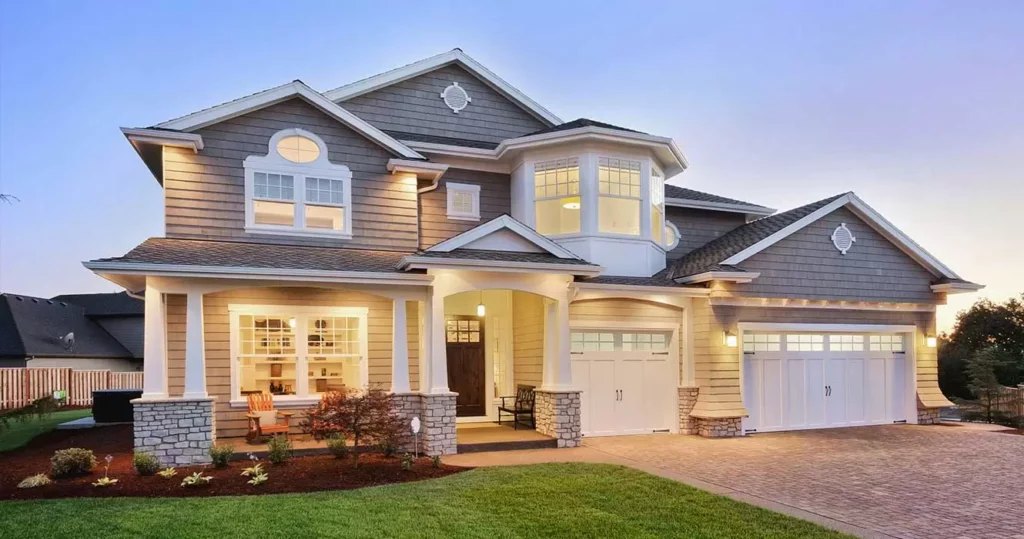
Advantages of Vinyl Siding
- Low maintenance requirements
- Resistant to rot and insect damage
- Available in many colors and styles
- Does not require regular painting
- Handles normal moisture exposure well
What Can Shorten Vinyl Siding’s Life?
Although vinyl is relatively durable, it has vulnerabilities.
- Hail and flying debris can crack or dent panels
- Excessive heat can cause warping
- Strong impacts can damage individual sections
- Improper fastening can cause panels to loosen
- Poor installation can contribute to moisture problems
The condition of the underlying wall system also matters. Vinyl itself does not rot, but water that enters behind improperly installed siding can damage the structure underneath.
Vinyl Siding Maintenance
Vinyl generally requires less upkeep than wood, but homeowners should still:
- Wash siding periodically with appropriate cleaning methods
- Inspect panels for cracks and warping
- Check seams and trim
- Keep sprinklers from constantly spraying exterior walls
- Inspect siding after major storms
Regular inspections can help extend siding durability and reduce the risk of larger problems.
How Long Does Fiber Cement Siding Last?
Fiber cement siding commonly has an expected lifespan of approximately 30 to 50 years. Its combination of durability, resistance to rot and pests, and relatively moderate maintenance makes it an appealing option for homeowners seeking long-term performance. Unlike wood, fiber cement does not provide an organic material that can easily support rot or insect activity. However, it still requires proper installation and maintenance.
Advantages of Fiber Cement Siding
- Long expected service life
- Resistant to rot and insects
- Strong resistance to weather exposure
- Available in different textures and styles
- Can be painted
- Provides a substantial exterior appearance
Potential Weak Points
Fiber cement is durable, but certain areas deserve close attention.
- Cut edges can be vulnerable to moisture
- Caulk around joints can deteriorate
- Paint eventually requires maintenance
- Improper clearances can contribute to moisture problems
- Physical impacts can cause chips or cracks
Inspect windows, doors, corners, rooflines, and other transition points regularly because these areas can experience increased exposure to water.
Fiber Cement Maintenance
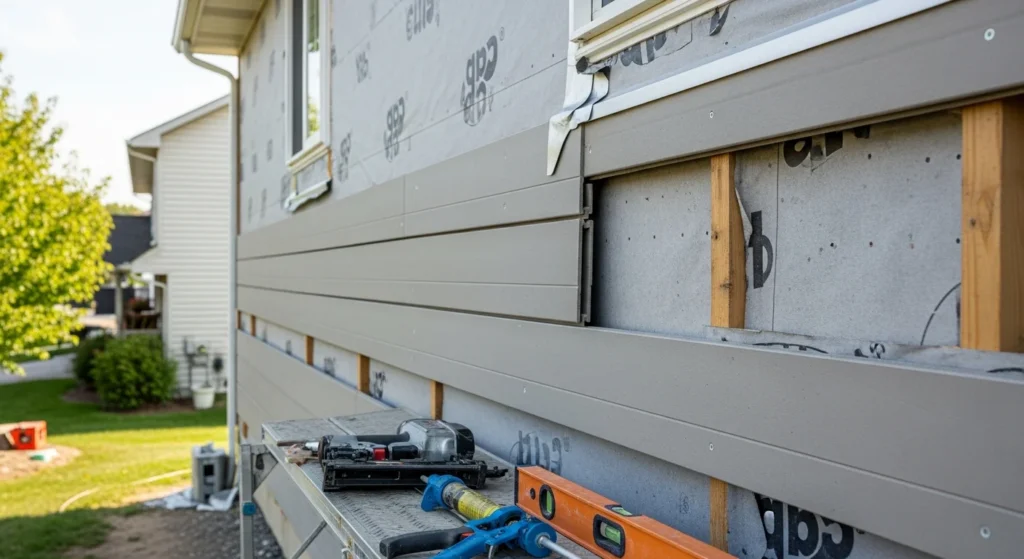
To support a longer fiber cement siding lifespan, homeowners should:
- Inspect joints and caulk regularly
- Check exposed edges for deterioration
- Monitor paint or finish condition
- Look for cracks and chips
- Keep drainage systems working properly
- Address moisture issues promptly
Fiber cement may require more attention than vinyl, but its potential lifespan can make that maintenance worthwhile.
How Long Does Wood Siding Last?
Wood siding generally lasts around 25 to 40 years when it receives proper maintenance. Its natural appearance remains one of its biggest attractions, and damaged sections can often be repaired without replacing an entire wall. However, wood is more vulnerable to moisture and biological deterioration than vinyl or fiber cement. Keeping the material properly sealed and protected is essential.
Advantages of Wood Siding
- Natural and distinctive appearance
- Individual damaged areas can often be repaired
- Can be painted or stained
- Offers design flexibility
- Can provide decades of service with proper care
Common Causes of Wood Siding Damage
Moisture is one of the biggest threats to wood siding.
- Water intrusion
- Poor drainage
- Peeling paint
- Cracked finishes
- Insect activity
- Prolonged sunlight
- Poor ventilation
- Improper installation
Once moisture gets into wood and remains there, deterioration can progress quickly. Small areas of damage should therefore be addressed before they spread.
Wood Siding Maintenance
Wood requires more consistent maintenance than many vinyl installations.
Homeowners should:
- Inspect siding regularly for soft or damaged areas
- Repaint or restain when the finish begins to deteriorate
- Seal vulnerable joints and transitions
- Keep gutters and downspouts functioning properly
- Keep landscaping from trapping moisture against walls
- Repair damaged sections promptly
With consistent care, wood siding can remain attractive and functional for many years.
Which Siding Handles Moisture Best?
Moisture resistance is an important part of siding longevity because water can cause serious damage to the siding system and the structure behind it. Vinyl performs well against moisture because the material itself does not absorb water like wood. Fiber cement is also highly resistant to rot, although installation details around joints and cut edges remain important. Wood requires the greatest level of moisture management. Proper paint, stain, caulking, flashing, drainage, and ventilation are essential for preventing wood siding rot. Regardless of the material, good water management is critical. Siding should work as part of a complete exterior system rather than acting as the home’s only barrier against moisture.
Which Siding Requires the Least Maintenance?
If minimal maintenance is a priority, vinyl generally requires the least routine care. It does not need regular painting or staining and can typically be cleaned periodically to maintain its appearance. Fiber cement requires more attention because its painted finish and caulked joints need inspection and occasional maintenance. Wood requires the most ongoing care. Painting, staining, sealing, and frequent inspections can all be necessary to protect the material. However, homeowners should consider more than maintenance frequency. The right choice depends on how much time they are willing to spend on upkeep, the home’s climate, and their preferred appearance.
Which Siding Is Most Resistant to Weather?
All three materials can perform well when properly installed, but their responses to weather are different.
Vinyl
Vinyl handles moisture well but can be vulnerable to severe impacts and excessive heat.
Fiber Cement
Fiber cement offers strong overall durability and can perform well against moisture, insects, and changing weather conditions when installed correctly.
Wood
Wood can handle outdoor conditions effectively when properly protected, but prolonged moisture and neglected finishes can significantly reduce its lifespan. Weather resistance therefore depends on both the material and the conditions surrounding the home.
Repairability: Vinyl vs. Fiber Cement vs. Wood
Longevity is not only about how long the material lasts. It is also about what happens when damage occurs.
Vinyl panels can often be replaced individually when damage is localized. However, matching older siding can sometimes be challenging if the original style or color is no longer available.
Fiber cement can also be repaired in sections, depending on the extent and location of the damage. Careful attention is needed around joints and replacement areas.
Wood offers strong repairability because damaged boards or sections can often be replaced individually. The repaired area can then be refinished to match the surrounding siding as closely as possible.
Which Siding Offers the Best Long-Term Value?
There is no single siding material that is best for every home. Long-term value depends on the balance between lifespan, installation cost, maintenance, appearance, climate, and repair requirements.
Vinyl may appeal to homeowners who prioritize low maintenance and affordability. Fiber cement may be attractive to those looking for a longer potential lifespan with strong durability. Wood may appeal to homeowners who value natural beauty and are comfortable with regular maintenance.
The most durable choice on paper may not be the best choice for every household. A material that matches your home’s environment and your ability to maintain it can provide better long-term results.
Siding Longevity Checklist
Before choosing or replacing siding, consider the following:
- Expected lifespan of the material
- Local climate and weather exposure
- Moisture and drainage conditions
- Installation requirements
- Maintenance commitment
- Resistance to pests and rot
- Repairability
- Appearance and design preferences
- Long-term ownership plans
- Overall project budget
Thinking through these factors can help homeowners avoid choosing a siding material based solely on appearance or initial cost.
Signs Your Siding May Be Nearing the End of Its Life
Even siding with years of expected service life remaining should be inspected regularly. Warning signs can include:
- Persistent warping or cracking
- Rot or soft areas
- Peeling or failing paint
- Repeated moisture problems
- Loose or displaced panels
- Extensive fading
- Visible gaps around windows and doors
- Frequent repairs
- Damage across multiple areas of the exterior
A single damaged section does not always mean complete replacement is necessary. Consider the extent of the problem, the siding’s age, and the condition of the underlying structure.
Final Thought
Choosing between vinyl, fiber cement, and wood siding is ultimately a decision about what works best for your home, your environment, and your lifestyle. Vinyl offers low maintenance and dependable performance, fiber cement provides strong durability and a potentially longer lifespan, while wood delivers natural beauty with a greater commitment to upkeep.
There is no universal winner. The siding that lasts the longest is often the one that is properly installed, regularly inspected, protected from moisture, and maintained according to its specific needs. By looking beyond the initial appearance and considering siding longevity, maintenance, weather resistance, repairability, and long-term value, homeowners can make a decision that protects their home and provides lasting peace of mind.
FAQ
Q1. Which lasts longer, vinyl, fiber cement, or wood siding?
A: Fiber cement generally has the longest typical lifespan, at around 30 to 50 years. Vinyl and wood commonly last around 20 to 40 years and 25 to 40 years, respectively, with proper care.
Q2. Is fiber cement siding more durable than vinyl?
A: Fiber cement is generally more resistant to certain impacts and environmental stresses, while vinyl offers lower maintenance. The better option depends on the home’s conditions and maintenance preferences.
Q3. Does wood siding last as long as fiber cement?
A: Wood can last for decades with consistent maintenance, but fiber cement generally offers a longer typical lifespan with less vulnerability to rot and pests.
Q4. Which siding requires the least maintenance?
A: Vinyl typically requires the least maintenance because it does not need regular painting or staining. It still benefits from periodic cleaning and inspections.
Q5. What is the biggest problem with wood siding?
A: Moisture is one of the biggest threats to wood siding. Poor drainage, damaged finishes, and water intrusion can contribute to rot and deterioration.
Q6. Can vinyl siding last 40 years?
A: Yes. Properly installed and maintained vinyl siding can potentially last around 40 years, although climate, impact damage, installation quality, and maintenance can affect its actual lifespan.
Q7. How long can fiber cement siding last?
A: Fiber cement siding commonly lasts around 30 to 50 years when properly installed and maintained.
Q8. What factors shorten siding lifespan?
A: Poor installation, moisture exposure, severe weather, inadequate maintenance, pest activity, physical damage, and improper drainage can shorten siding’s useful life.