
“Choosing between light and dark siding can completely change how your home looks and feels from the street. Light siding offers a timeless, fresh appearance, while dark siding creates a bold and modern statement. The best choice depends on your climate, maintenance preferences, architectural style, and the overall look you want for your home.”
Light or dark siding is one of the first forks in the road once a color palette starts coming together. It’s a decision that shapes curb appeal, maintenance, and even energy performance, and unlike a small trim accent, it’s the color that will define your home’s exterior for years to come.
There’s no single right answer when choosing siding colors. The best option depends on your climate, home style, and neighborhood. Your preferred level of maintenance also matters. This guide explores the key differences between light and dark siding. It will help you choose with confidence instead of relying on guesswork.
What Light and Dark Siding Say About Your Home
Color shapes how people see your home before they reach the front door. Light and dark siding create different impressions. They can influence how guests, neighbors, and potential buyers feel about your home.
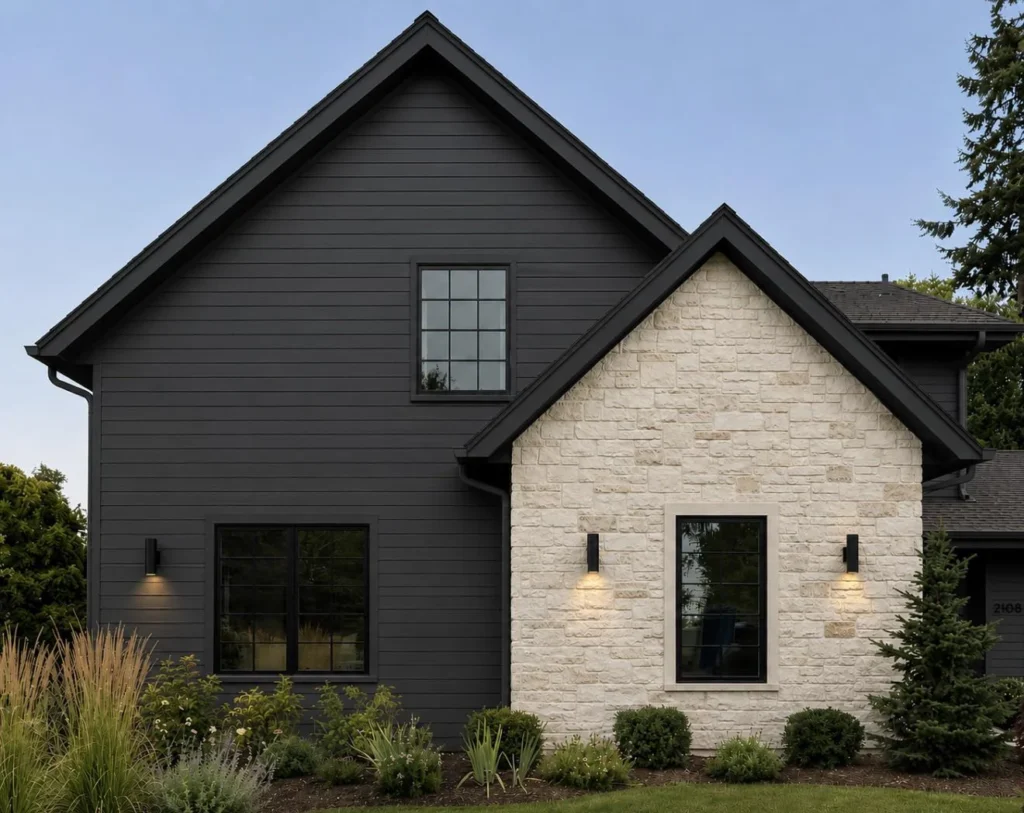
• Light siding: Soft grey, sand, and off-white tones project a classic, tidy, well-maintained look that reads as approachable and timeless.
• Dark siding: Charcoal, navy, and hunter green feel bold, contemporary, and confident, often giving a home a more modern or dramatic presence from the street.
Neither option is automatically better. The best choice depends on the look you want for your home. It should also complement your home’s existing architecture and style.
Climate and Energy Efficiency Considerations
Color affects more than your home’s appearance. It can also influence how your home absorbs and reflects heat. This may affect indoor comfort and energy costs, depending on your climate.
• Heat absorption: Darker siding absorbs more solar heat, which can help reduce heating demand in colder climates but may increase cooling loads during hot summers.
• Heat reflection: Lighter siding reflects more sunlight, generally keeping exterior surfaces cooler and reducing strain on cooling systems in warmer regions.
• UV exposure and fading: Darker colors are more prone to visible fading under prolonged UV exposure, while lighter tones tend to hold their appearance longer in intense sun.
Homes in sunny regions may benefit from lighter siding colors. UV-resistant materials can also help protect the exterior. In colder climates, darker siding may help absorb more heat from sunlight.
Maintenance and Upkeep Differences
Every siding color needs some care to stay beautiful and fresh. Light colors can make dirt, stains, and discoloration more noticeable over time. Dark tones may show fading, scratches, and weather-related wear more clearly. With the right maintenance, your siding can keep its beauty and protect your home for years. Casa Bonita LLC provides reliable siding services to help your home look its best.
• Light siding upkeep: Very light siding shows dust, pollen, and grime more easily, which can mean more frequent washing to keep the exterior looking crisp.
• Dark siding upkeep: Dark siding hides everyday dirt well but shows fading and uneven color loss more visibly over time, especially on sun-facing walls.
• Mid-tone alternative: Mid-tones such as greige or soft taupe are often considered a forgiving middle ground, since they mask both dirt and minor fading better than colors at either extreme.
If you prefer easy home maintenance, consider how much upkeep you can comfortably handle. Bold siding colors can create a stunning look, but they may need more frequent care. Lighter tones can offer a softer appearance with easier maintenance. Choose a color that feels beautiful while fitting naturally into your everyday life.
Curb Appeal and Resale Value
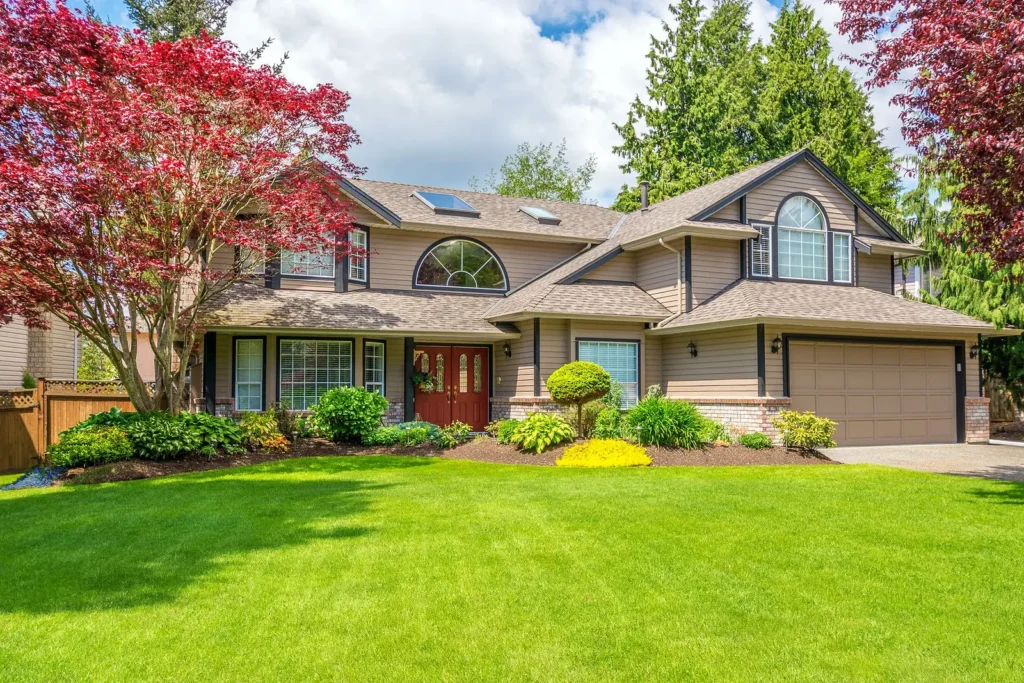
Siding color can shape a buyer’s first impression of your home. A welcoming exterior can create an immediate sense of comfort and appeal. If you are thinking about resale, choose a color that feels attractive and timeless. The right choice can make your home stand out and leave a lasting impression.
• Broad appeal: Light, neutral siding tends to have broad market appeal and rarely feels out of place, which can be an advantage when preparing a home for sale.
• Distinctive statement: Dark siding can make a strong style statement and stand out in a neighborhood, but it may appeal to a narrower range of buyer preferences.
• Neighborhood and HOA guidelines: Homes in communities governed by an HOA or historical guidelines may have limited color options regardless of light or dark preference, so it’s worth checking local rules before committing.
Take a look around your neighborhood before choosing your siding color. Nearby homes can inspire ideas and help you discover what feels right. Notice colors that blend beautifully with the surroundings. Then choose a shade that makes your home feel unique, welcoming, and truly yours.
Pairing Light and Dark Siding with Roof, Trim, and Brick
Siding color rarely stands alone. It needs to coordinate with the fixed elements already on the home, including the roof, brick or stone foundation, and trim.
• Warm vs. cool coordination: Warm-toned roofs generally pair well with beige, taupe, or cream siding, while cool-toned roofs like slate grey work better with blues, greys, and crisp whites.
• Trim contrast: White trim against dark siding creates a striking, high-contrast look, while a monochromatic palette offers a cleaner, more minimalist feel.
• Brick and stone coordination: Existing brick or stone should be treated as a fixed color anchor, since siding and trim choices need to complement rather than clash with masonry that can’t easily be changed.
When these elements work together, your home feels balanced and inviting. Matching the right colors and details creates a natural visual flow. Thoughtful choices can turn a simple exterior into something truly beautiful. The result is a home that feels polished, welcoming, and full of character.
Popular Light and Dark Siding Combinations
Light Siding Pairings
• White siding with black trim: A timeless, high-contrast combination that suits nearly any architectural style.
• Soft grey with navy accents: A cool, coastal-inspired pairing that feels calm and airy.
• Beige with forest green accents: A warm, welcoming combination popular on farmhouse and traditional homes.
Dark Siding Pairings
• Charcoal grey with copper accents: A modern, design-forward look with warm metallic contrast.
• Matte black with natural wood borders: A bold, grounded palette that pairs naturally with wood detailing.
• Deep olive with crisp white trim: An earthy, contemporary combination that works well in wooded or natural settings.
Mistakes to Avoid When Choosing Between Light and Dark Siding
• Judging color from small indoor swatches: Small swatches look different indoors under artificial light than they do outdoors in full daylight. Testing large samples on multiple sides of the home helps avoid surprises.
• Ignoring landscaping context: Trees, mulch, and landscaping colors interact with siding more than most homeowners expect, and can make a color read very differently once installed.
• Choosing trend over longevity: Bold, trend-driven colors can be harder to match later during repairs or partial replacements, so it helps to weigh long-term flexibility alongside current style trends.
• Underestimating maintenance needs: Very light and very dark siding both come with upkeep trade-offs; going in aware of those trade-offs prevents future frustration.
Final Thoughts
There’s no universal winner between light and dark siding. The right choice comes down to climate, maintenance preferences, architectural style, and how a homeowner wants their exterior to feel from the street. Light tones offer a classic, low-friction appeal, while dark tones bring a bold, modern presence with a bit more upkeep.
Trust your instincts when choosing the perfect siding color for your home. Test large samples in natural daylight before making your final decision. Consider how each shade looks with your roof, trim, and brickwork. This thoughtful approach helps you feel confident, comfortable, and excited about the finished look.
Frequently Asked Questions
Q1. Is light or dark siding better for hot climates?
A: Lighter siding generally reflects more heat and stays cooler in intense sun, which can be an advantage in hot climates, though UV-resistant materials help either color hold up better over time.
Q2. Does dark siding fade faster than light siding?
A: Dark siding typically shows fading more visibly than lighter tones because color loss is more noticeable against a deeper base shade, even though both colors experience some degree of UV wear.
Q3. Which is easier to maintain, light or dark siding?
A: Each has trade-offs: light siding shows dirt and grime more easily, while dark siding shows fading more visibly, which is why many homeowners choose a mid-tone for lower-maintenance upkeep.
Q4. Does siding color affect home resale value?
A: Yes. Neutral, light-toned siding tends to have broader buyer appeal, while dark or bold siding can stand out but may appeal to a narrower range of preferences.
Q5. Can I mix light and dark siding on the same home?
A: Yes. Many homeowners combine a primary siding color with darker or lighter trim, shutters, and accents to add contrast and highlight architectural details.
Q6. Do HOA or historical guidelines limit siding color options?
A: They can. Many communities with an HOA or historical designation restrict siding and trim colors, so it’s worth checking local guidelines before settling on a light or dark palette.